
If you’ve ever thought, “Why won’t my child just listen?”—you’re not alone.
So many parents are searching for how to get your kids to listen. And not just listen, but to also respond with respect and cooperation.
Because let’s be honest—repeating yourself 10 times, raising your voice, or feeling ignored? It’s exhausting!
But here’s the good news: listening is a skill. And like any skill, it can be taught.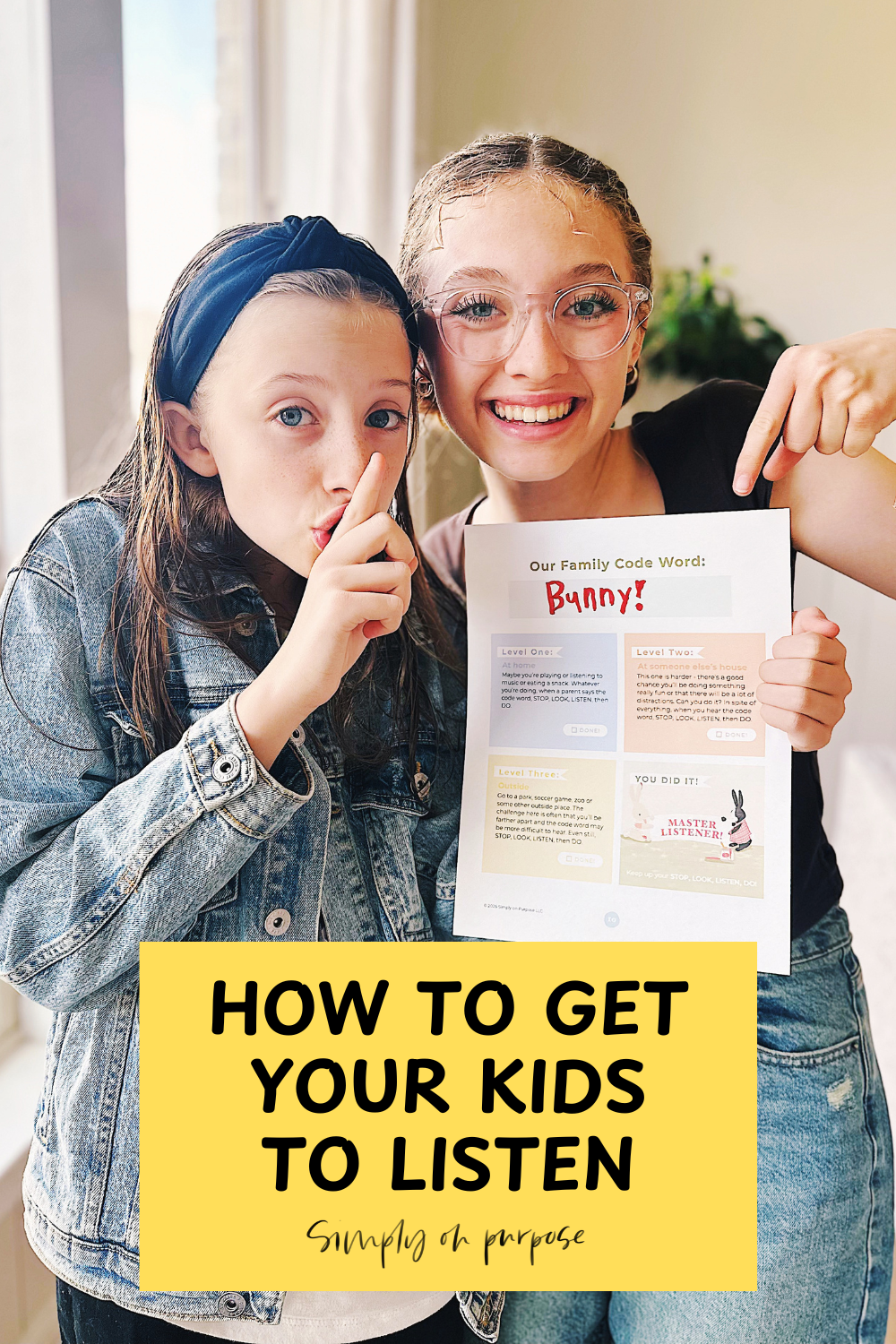
Start Here: Connection Before Correction
When we’re wondering how to get kids to listen to parents, we often jump straight to correcting behavior. But listening starts with connection.
Before giving instructions, try these tips:
- Get down to their level
- Make eye contact
- Gently touch their shoulder or arm
- Say their name first
This small shift helps your child feel seen—and when they feel seen, they’re much more likely to listen.
Make Listening Doable
Sometimes we expect kids to respond instantly, every time. But the truth is, they’re still learning.
If you’re asking, “How do I get my 7-year-old to listen and behave?” it helps to think of listening as something they need to practice, not something they should already have mastered.
Try:
- Giving one simple direction at a time
- Using clear, calm words
- Asking them to repeat back what they heard
This isn’t about control, it’s about helping them build the skill of listening step by step.
Focus on the Behavior You Want
This is one of the most powerful shifts you can make. Instead of only noticing when your child isn’t listening, start noticing when they are.
Even small moments count! You can say things like:
- “You listened the first time—that was so helpful!”
- “I noticed you stopped and looked at me when I called your name. Thank you!”
When we focus on what’s going well, we naturally get more of that behavior.
This is a key part of how to get your child to listen and respect you—because respect grows in positive, connected environments.
Stay Calm (Even When It’s Hard)
When your child isn’t listening, it’s easy to feel frustrated or even disrespected.
But here’s something to remember: kids don’t learn better when we’re louder—they learn better when we’re calmer.
If you’re wondering how to discipline a child that doesn’t listen, discipline doesn’t have to mean punishment. Discipline means teaching!
It can look like:
- Following through calmly
- Repeating the expectation without adding emotion
- Helping them try again
You’re teaching them a skill, not just reacting.
Want Extra Support to Teach Kids to Listen?
If you want a simple, positive way to teach your child this skill, I created something just for you.
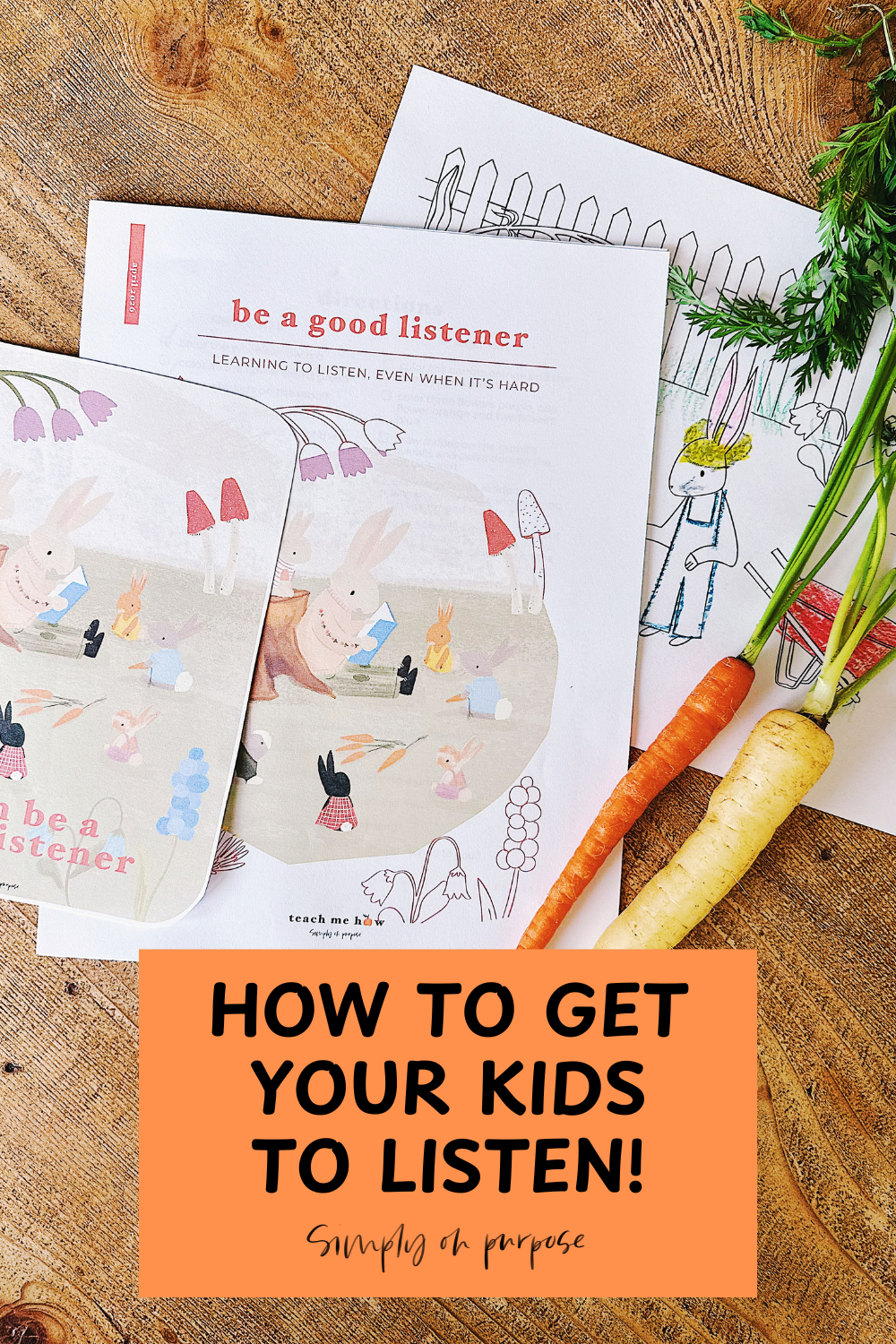
It is a printable download called, “Be a Good Listener: Learning to Listen, Even When It’s Hard.” It is made for children to teach this lesson to their families, which is perfect because they will want good listeners also!
The whole resource is bunny themed, since bunnies have such big ears! Your kids will love the activities where they get to practice listening through role plays and a coloring page.
From this resource your child will learn:
- Why listening is important
- How to stop what they’re doing and respond to you
- How to follow single and multi-step instructions
This printable helps kids understand how to listen in a way that actually clicks! It’s interactive, encouraging, and easy to fit in throughout your week.
Download today and start teaching a skill that will make everything feel a little easier!
If you want more resources on helping kids to listen, check out these resources: