
We spend a lot of time teaching our kids what to do and how to do it. We teach them how to brush their teeth, clean their rooms, and say please and thank you. But one of the most important things we can teach our children isn’t something you see on the outside at all: it’s how to understand what’s happening inside them.
Many children feel big emotions long before they have the words to put a label on them. When a child can’t name what they’re feeling, that feeling often comes out in other ways we don’t love—meltdowns, anger, tears, or shutting down (we’ve all seen this happen in public!). This is where learning to label your emotions becomes so powerful!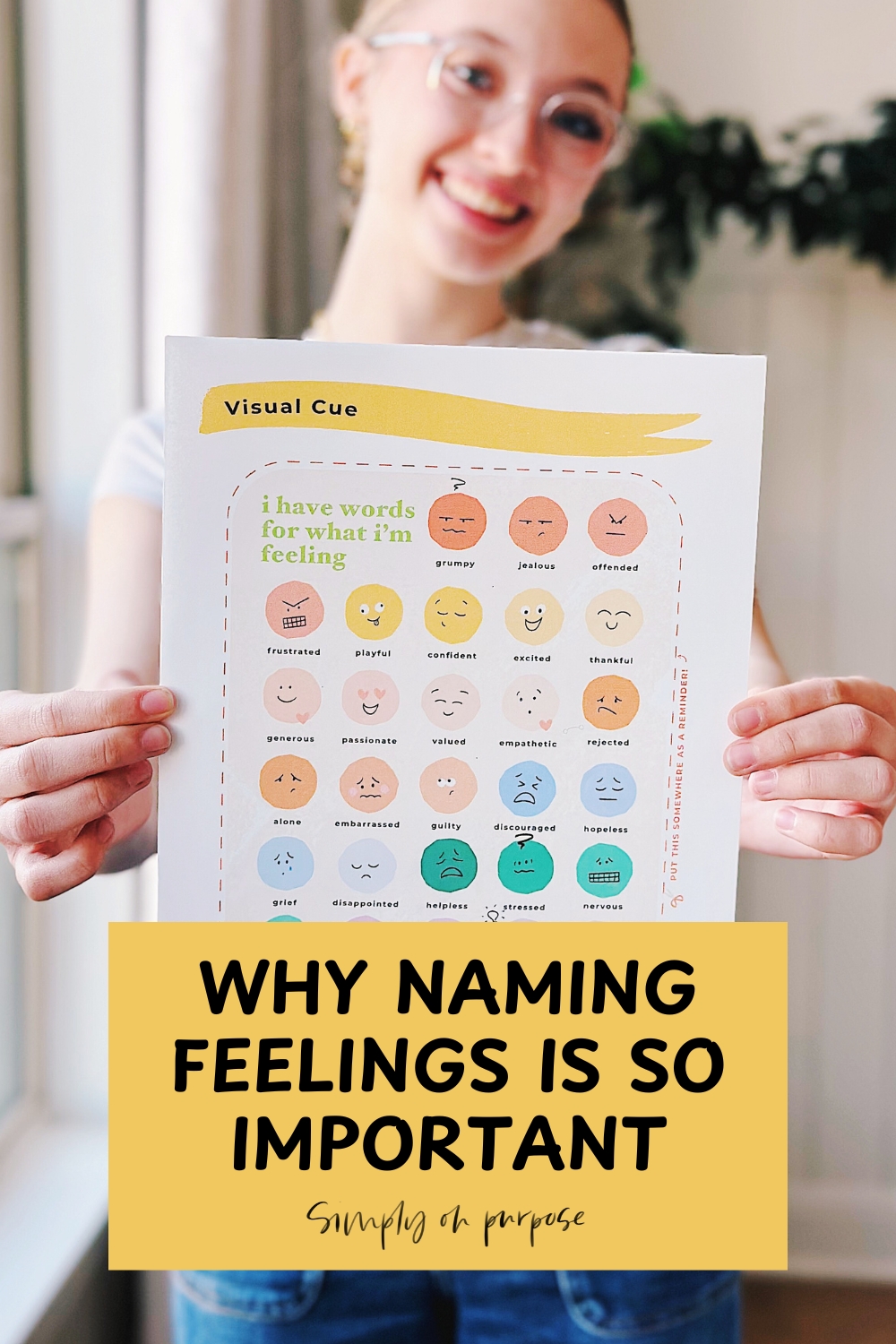
Feelings With Names Are More Manageable
Fred Rogers said, “Anything that is mentionable can be more manageable.” When we help our children put words to their feelings, we give them a sense of control. A feeling that feels confusing or scary becomes something they can talk about, think about, and eventually handle in a healthier way with practice.
Instead of being overwhelmed by emotions, children learn that feelings are something they can work through, especially when they have an adult guiding them.
Model Emotional Language in Everyday Moments
Labeling emotions doesn’t have to be a big serious talk. Actually, it works best when it shows up in everyday moments. You can model this for your kiddo by sharing your own feelings in simple, natural ways.
Try saying things like, “That loud noise scared me,” or “When everyone leaves, I feel lonely.” Even playful examples like, “I feel passionate about watermelon!” help kids learn the language of emotion as a part of everyday life.
The more often children hear feelings named, the easier it becomes for them to name their own. What an amazing tool we can give them as parents!
Naming Feelings Builds Connection
When children hear you reflect out loud what they might be feeling, like, “That looked disappointing,” or “You seem nervous about tomorrow,” they feel seen and understood. You’re not fixing or judging. You’re simply noticing!
This kind of response builds trust and helps children feel safe bringing their feelings to you to talk about, instead of holding them inside.
Feelings Are Okay, Behavior Still Has Limits
It’s important to remember that labeling emotions doesn’t mean that you approve of all behaviors. A child can feel angry without being allowed to hurt someone. When we separate the feeling from the behavior, we teach an important lesson: all feelings are okay, but not all actions are.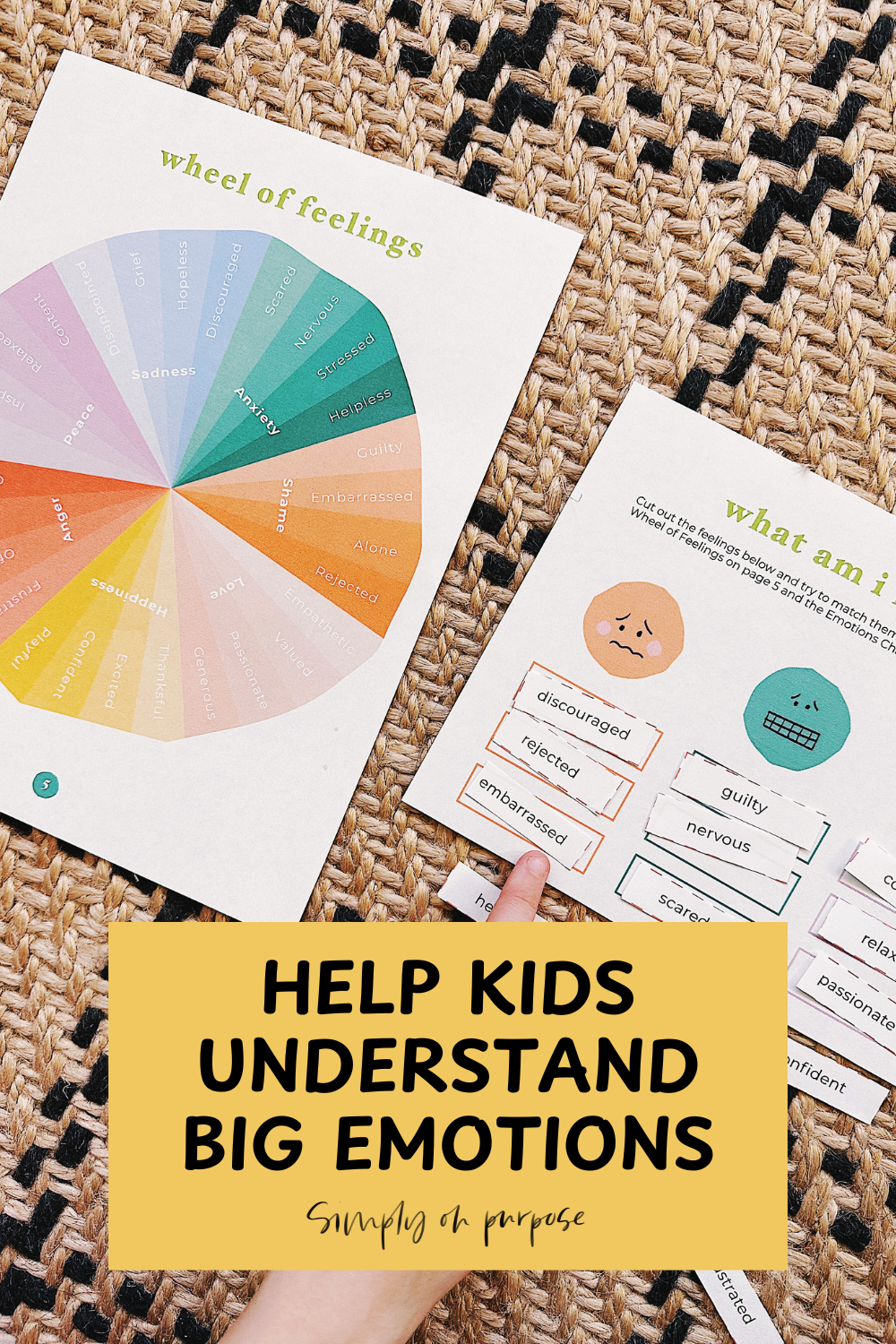
“Words for What I’m Feeling” Printable Activity
If you want a fun and engaging way to teach your children to describe their feelings, this lesson will do just that. It is called, “Words For What I’m Feeling: Learning How to Name Our Feelings to Better Understand Them.” There are so many good parts of this resource, and all of them give children the PRACTICE they need to (1) name their emotions, and (2) behave appropriately, regardless of what they are feeling.
After learning from this lesson and activity, your child will be able to:
- Recognize and name many different emotions
- Understand their body’s response to those emotions
- Give space between an emotion and their response
- Better empathize with others and what they are feeling
You can download this printable today! It is a great conversation starter for kids who get stuck in an emotional loop and don’t know how to get themselves out of it.
Children who grow up hearing emotions named tend to develop strong emotional skills. They learn how to speak up for themselves, ask for help, and work through hard moments with more confidence.
If you want more resources about helping children with big emotions, check out these posts: