
“I can’t.”
“I’m scared.”
“What if something bad happens?”
If you’ve heard any version of these from your child, you’ve already watched the tug-of-war between fear and courage play out in real time. And here’s the good news, friend: bravery isn’t something kids are just born with or without. It’s a skill. And like any skill, it can be taught.
What Does It Mean to Be Brave?
Let’s start simple. What does it mean to be brave? In terms your kids can actually understand, being brave means doing the right or helpful thing even when you feel afraid.
So are courage and bravery the same thing? Close, but not quite. I like to explain it to my own kids this way: bravery is doing the scary thing once. Courage is what happens when you keep choosing to do the right thing, even when it’s still scary. Bravery is the moment. Courage is the habit.
Once kids understand what is courage in those simple terms, they stop waiting to feel fearless before they act — and they start understanding that brave and afraid can live in the same moment.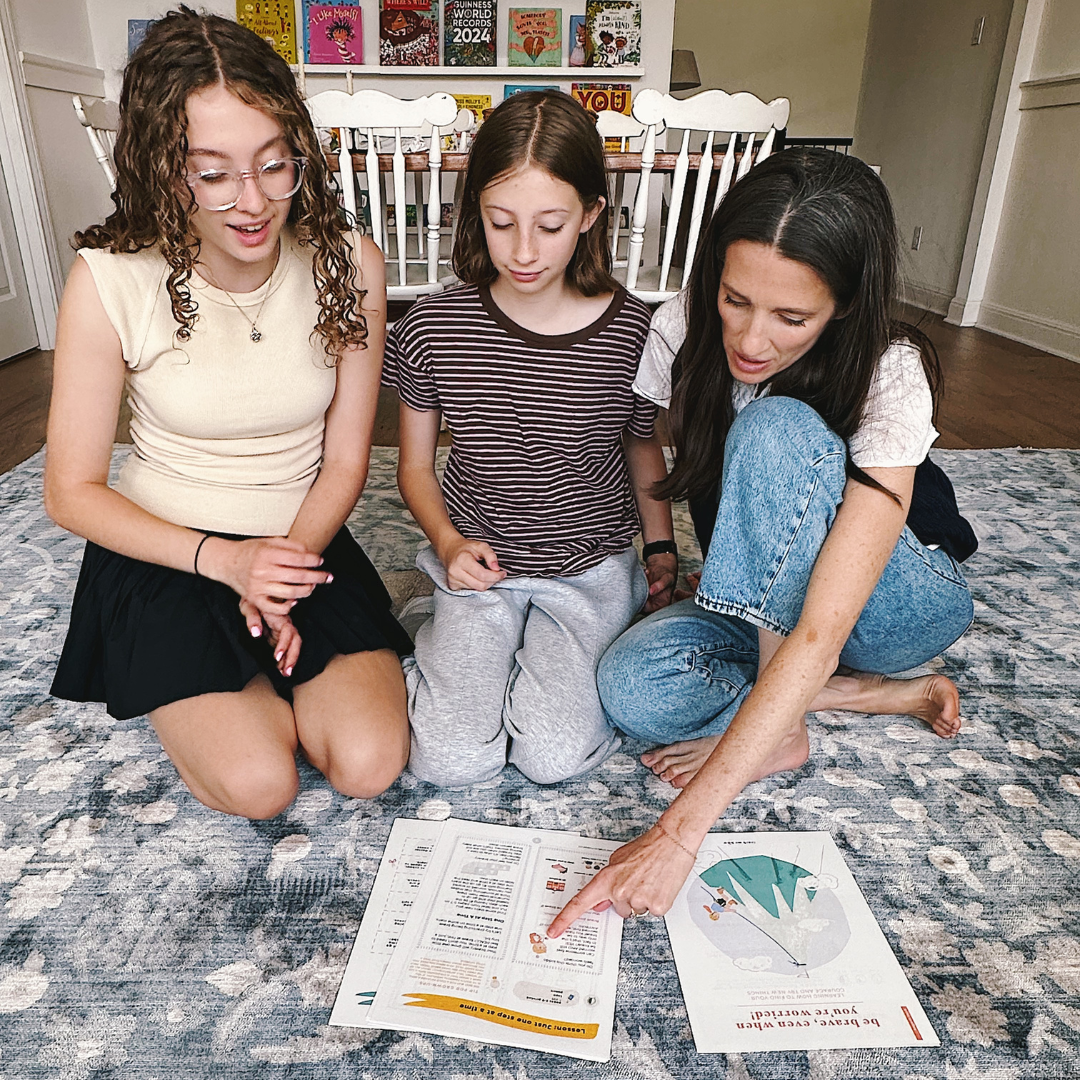
The Truth About Worry
Before we can teach our kids to be brave, we have to understand what’s happening underneath the worry.
Worry is just your child’s brain trying to predict danger so it can prepare. That’s actually a good thing! The problem isn’t that kids worry. It’s a problem when the worry gets stuck on a loop instead of leading anywhere useful.
If your child is caught up wondering how to quit worrying so much, here’s a simple reset you can walk them through together:
- Breathe out longer than you breathe in, three times.
- Name three things you can see and two things you can feel.
- Ask: “Is this worry helping me make a plan, or is it just spinning?”
That last question does so much heavy lifting. It teaches kids the difference between a worry that’s useful and a worry that’s just noise, without you needing to say another word about it.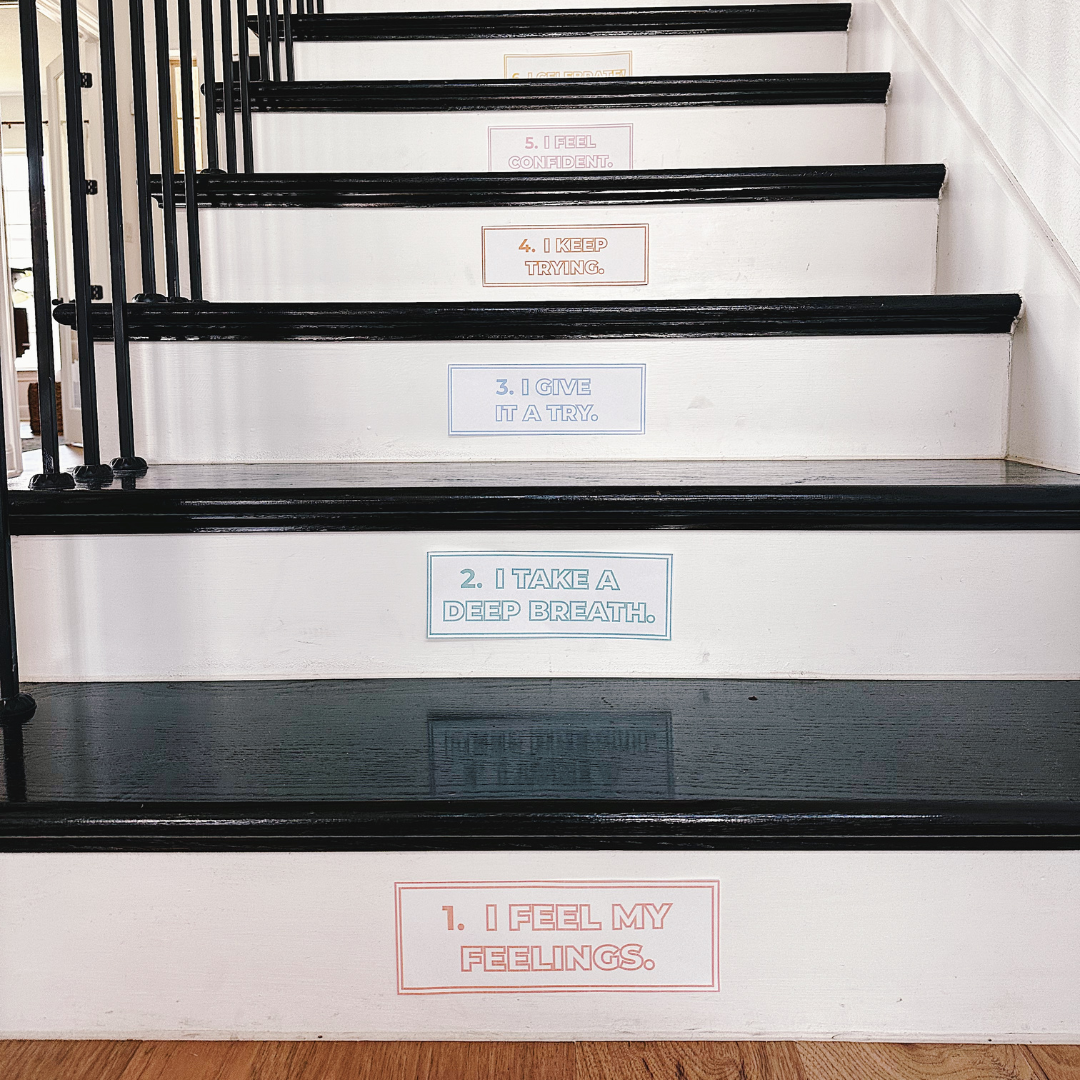
How to Build Real Courage, One Small Step at a Time
Courage grows the same way strength does — through small, repeatable reps, not one giant leap. If you’re wondering how to become more resilient as a family, this is where I’d start.
- Name It, Normalize It, Choose It. Kids often think “I feel scared” means “I have to stop.” Teach them it doesn’t have to. You might say, “Your body feels nervous, and that’s normal… Now what’s one small brave step you can take anyway?”
- Model it yourself. Kids learn courage by watching us practice it. Talk out loud about something that makes you nervous, and let them hear you choose bravery anyway.
- Practice with role plays. This is one of my favorite tools for any hard skill, and courage is no exception. Act out the scenario ahead of time—asking for help, speaking up, trying something new—so it feels familiar instead of terrifying when the real moment comes.
- Celebrate the try, not just the win. When your child attempts something brave, say so! “I saw you do that even though you were nervous. That was so brave.” Praising the effort, not just the outcome, is what makes a child want to be brave again next time.
- Break the big scary thing into small ones. Instead of asking a child to leap straight to the hard part, build a staircase of baby steps to get to their goal. If your child is nervous to make friends, that might look like: smile at one classmate, say hi, ask a simple question, sit with a group at lunch. Each small step up the staircase builds toward the bigger one, and this is the EXACT skill we dig into in the printable lesson below.

“Be Brave, Even When You’re Worried!” Printable Lesson
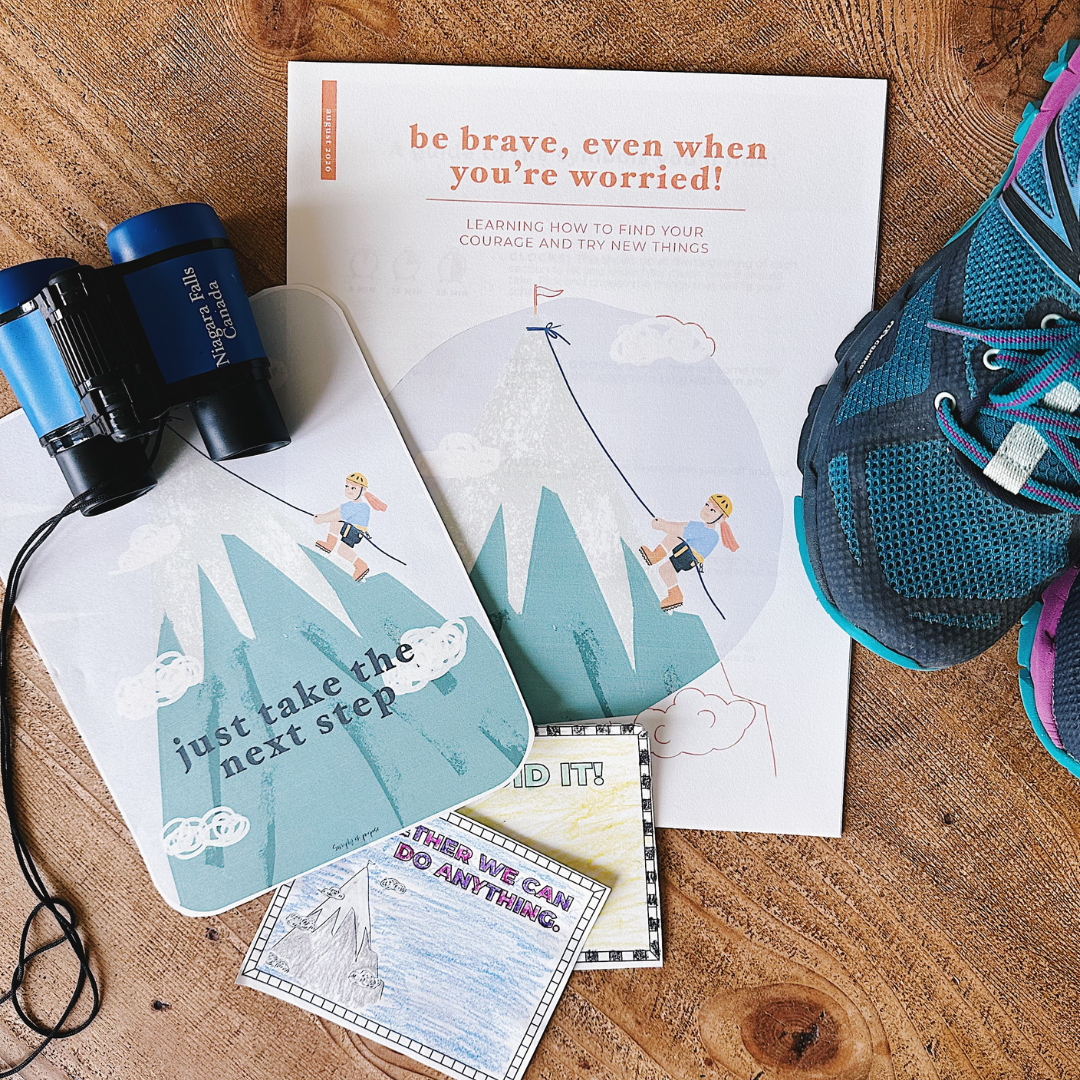
If you want a simple way to walk your child through all of this—especially that last step—I created a Teach Me How printable lesson just for this. It’s called, “Be Brave, Even When You’re Worried! Learning How To Find Your Courage And Try New Things,” and it’s a printable download built to help your child build real, lasting courage.
Breaking a big scary thing into small, doable steps is such a core piece of this lesson that we built the whole visual around it. The printable includes steps you can hang right on your staircase at home, so your child sees, literally, one small brave step at a time. There’s also a fill-in pathway activity where your child can map out their own scary thing and break it down into smaller steps themselves. With practice, they will start doing this on their own, not just with you!
This lesson will help your child:
- Learn what it truly means to be brave
- Practice breaking big worries into smaller, more manageable steps
- Grow their courage so they can keep reaching for their goals
Download it today, and give your child the tools to turn “I can’t” into “I can, even though I’m scared!” one step at a time.
If you want more resources on teaching your kids to be brave and resilient, check out these resources: