
Sleep is vital for children’s growth and development. It affects their mood, behavior, and their ability to learn. Establishing a consistent bedtime routine can help ensure they get the rest they need!
Let’s talk about why sleep is so important for kids! We will also share tips for bedtime routines that can help build healthy sleep habits.
Why Sleep Matters for Kids
Sleep is fundamental for a child’s physical growth. During sleep, their bodies release growth hormones which are essential for development.
Sleep also encourages healthy brain development. When kids get enough sleep, they remember and learn better. This is important as they go to school and learn new skills.
Inadequate sleep can lead to behavioral problems and mood swings. Just like when adults don’t get enough sleep, children can become irritable and have a hard time focusing on tasks!
Here’s the overall takeaway on how sleep supports children:
- It enhances physical growth and development.
- It supports cognitive functions such as memory.
- It improves mood and emotional stability.
Ensuring your child gets enough sleep can boost their overall health. Consistent sleep patterns improve energy levels and immune function, helping to keep illnesses at bay. Prioritizing sleep as part of their daily routine is essential for their well-being.
How Much Sleep Do Kids Need? (Recommended Bedtime Chart by Age)
Children need varying amounts of sleep as they grow. Understanding these needs can help set realistic bedtimes. Infants obviously require a lot more sleep than teenagers (though it might not seem like it sometimes, ha!).
Here’s a quick guide to recommended sleep duration:
- Infants (0-3 months): 14-17 hours per day
- Babies (4-11 months): 12-15 hours per day
- Toddlers (1-2 years): 11-14 hours per day
- Preschoolers (3-5 years): 10-13 hours per night
- School-aged children (6-13 years): 9-11 hours per night
- Teenagers (14-17 years): 8-10 hours per night
These numbers provide a framework to build your child’s bedtime routine. Sleep needs can be slightly different for some children, and you know your child best! Overall, consistent sleep leads to better performance and health.
Bedtime by Age Chart: Quick Reference
A bedtime chart is a handy tool for parents. It simplifies setting appropriate sleep times based on age, reducing guesswork.
Here’s a simplified chart for bedtimes:
- Best bedtime for 4-year-olds: Between 7:00 PM and 8:00 PM
- Best bedtime for 6-year-olds: Around 8:00 PM
- Best bedtime for 10-year-olds: Approximately 8:30 PM
- Best bedtime for 14-year-olds: Around 9:30 PM
These times offer a starting point. Each child is unique, and families should adjust bedtimes to suit individual needs and family routines. For example, if your teen needs to wake up early for an activity before school, they should go to bed earlier. The most important key to establishing effective sleep habits is consistency.
Bedtime Routines: Building Healthy Sleep Habits
A consistent bedtime routine helps children transition smoothly from play to sleep. Creating such habits early on reinforces healthy sleep patterns.
Begin with activities that signal winding down time. Popular choices are taking a warm bath or reading a bedtime story. These activities calm the mind and body, making sleep more inviting.
Having a consistent bedtime daily enhances these habits. We’ve all had those weekends where we completely threw off our sleep, and we needed a few days to get back on track! Predictability helps children know what to expect, reducing bedtime resistance.
Here’s a sample bedtime routine:
- Turn off screens one hour before bed
- Complete hygiene tasks: brushing teeth and washing face
- Read a favorite story or engage in quiet play
- Dim the lights to signal bedtime is near
Creating a calming environment in the bedroom is crucial. A dark, quiet, and cool space encourages restful sleep. Avoid large meals or caffeine close to bedtime for optimal results.
Bedtime Checklist for Kids
A bedtime checklist can be a helpful reminder for kiddos. It helps build the habit of completing all necessary tasks before bed.
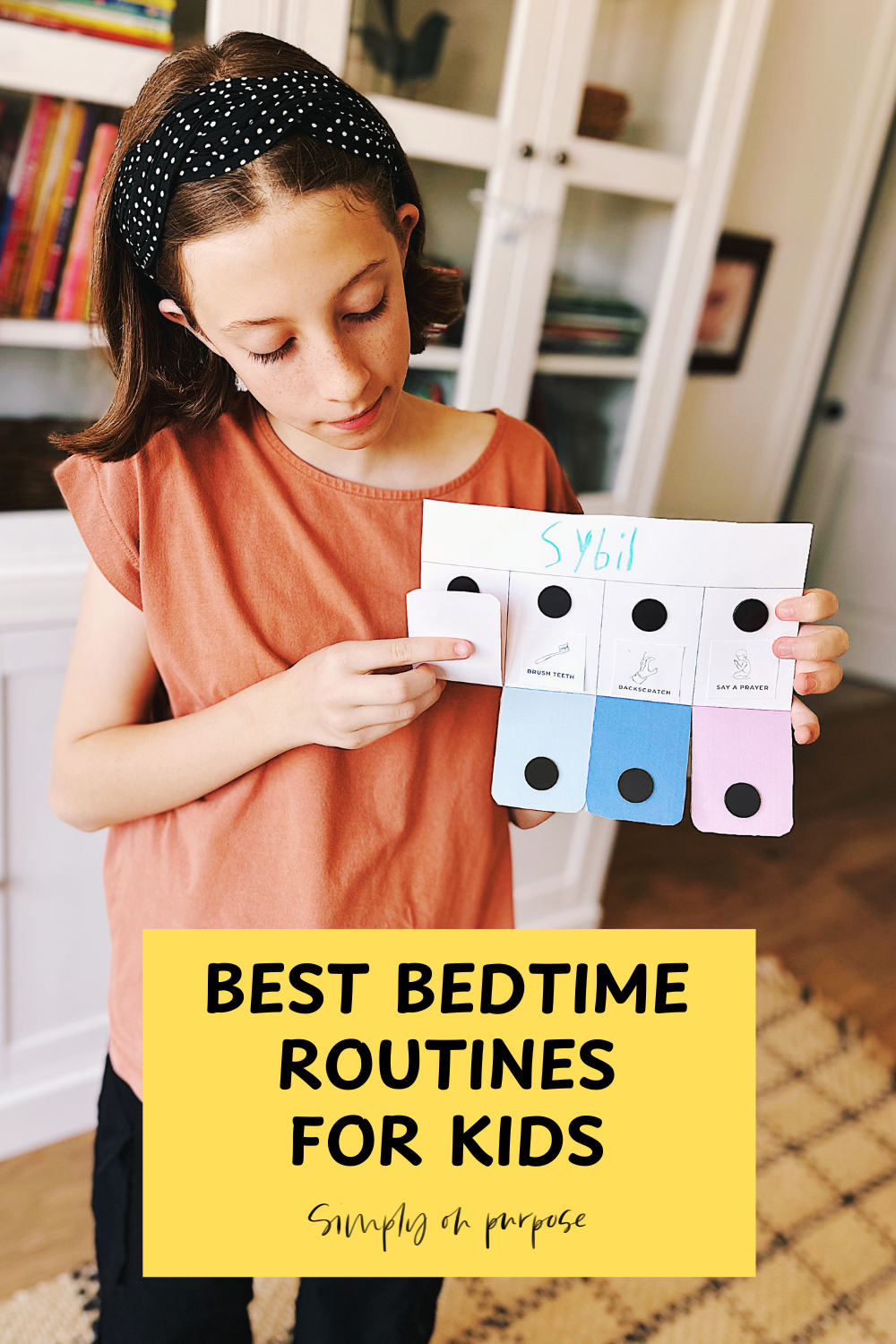
In my printable resource, “Let’s Refuel: Learning How to Enjoy Getting Good Sleep,” we provide a fun, personalized chart your child can use to create their own bedtime routine. It helps SO much when they have buy-in! Here’s a sample of what my daughter chose for her chart:
- Put on pajamas
- Brush teeth
- Use the bathroom
- Choose a bedtime story
- Say goodnight
Implementing a checklist makes bedtime smoother for kids because they like knowing what to expect. It also can empower children to be more independent in their routine!
Age-by-Age Bedtime Guidelines
Understanding the right bedtime for children is key to ensuring they get enough rest. Setting age-appropriate bedtimes helps accommodate the developmental requirements for each age. Let’s explore recommended bedtimes for each age group.
Babies (0-12 Months)
Babies sleep a lot, which is crucial for growth. Their sleep patterns vary, but consistency helps. Newborns may sleep 14-17 hours daily. As they grow, they still need 12-15 hours, including naps.
Babies thrive on routine, even if they don’t adhere strictly to the clock. Early patterns lay the foundation for future sleep habits.
Toddlers (1-2 Years)
Toddlers might have boundless energy, but they still need ample sleep! They need 11-14 hours of sleep per day, including naps.
A structured bedtime helps them unwind. Consider a routine like this:
- Engage in calm activities after dinner
- Offer a warm bath to relax their muscles
- Share a short story to settle their mind
Bedtime rituals can mitigate bedtime battles and power struggles. Create a consistent pattern, allowing them to know what happens next.
Preschoolers (3-5 Years)
Preschoolers thrive on consistency. They require 10-13 hours of restful sleep each night.
Structure bedtime with predictability and comfort. I also recommend making it fun to get positive momentum going! Here’s an example of what their bedtime routine could look like:
- Limit screen time; opt for interactive play
- Implement bedtime storytelling
- Create a cozy sleep environment
With regular routines, preschoolers adjust better. They learn to associate bedtime with sleep, which helps them create good habits.
School-Aged Children (6-13 Years)
School-aged children face daily demands that make sleep essential. They need between 9-11 hours of sleep each night.
A consistent bedtime supports cognitive and physical development. Try this for their bedtime routine:
- Set a fixed bedtime
- Encourage nightly reading or journaling
- Establish a screen-free zone near bed
Again, consistency is the secret! These habits promote healthy sleep patterns, leading to better focus in school.
Teens (14-17 Years)
Teens often challenge bedtime rules, or they will claim they can run on less sleep than they think. However, they realistically need about 8-10 hours of sleep.
Support your teen’s sleep with established habits. Guidelines include:
- Maintain regular sleep schedules
- Emphasize the importance of restful sleep
- Discuss healthy screen habits
Though their schedules are tight, promoting sleep can enhance mood and academic performance. Sleep education helps them be responsible for their own well-being and self-care.
Common Sleep Challenges and Solutions
Many parents face sleep challenges with their kids. Issues like resistance to bedtime, night waking, and fear of darkness are common.
Understanding these challenges can guide you to effective solutions. Here are some strategies you could use for kids who struggle with bedtime:
- Maintain a consistent schedule
- Use a nightlight to ease fears
- Offer comfort objects like a blanket or a favorite stuffed animal
It’s important to handle your child’s sleep issues with patience. Remember, today is not forever! Most sleep struggles are just a phase and your child will move through it.
Try to adjust your routine, their environment, or even the way you move through the bedtime routine. Making bedtime a positive experience will lay a foundation of good sleep habits for years to come!
When to Seek Help for Sleep Issues
If your child’s sleep issues persist despite routine adjustments, it might be time to consult a professional. Frequent night terrors, chronic insomnia, or breathing issues during sleep require advice from an expert.
Final Thoughts: Making Sleep a Family Priority
As a parent, modeling good sleep behavior yourself sets the strongest example. It helps create a sleep-friendly environment that everyone can thrive in! Don’t be afraid to make comments on how you feel during the day, depending on how much sleep you got.
When kids hear comments like, “I went to bed on time, so I feel refreshed today!” they learn from it. They also learn from comments like, “I stayed up too late, so I have less energy today.” They start seeing how they feel when they don’t get enough sleep, and how great they feel when they do get enough sleep!
Prioritizing sleep benefits everyone in the family. Healthy sleep patterns contribute significantly to everyone’s moods and health. Encourage good sleep habits through consistency. Make bedtime routines engaging and calming, which will encourage positive attitudes towards sleep.
If you like this resource, you might also be interested in these resources: