
Positivity will change your life! It influences your thoughts, actions, and overall well-being as a person, and especially as a parent.
Incorporating positivity into daily life has so many benefits. It improves your mental and physical health, boosts your creativity, and enhances your problem-solving skills. Aren’t these all things we want our children to learn too?
President Nelson, a leader in my church, shared this quote: “The joy we feel has little to do with the circumstances of our lives and everything to do with the focus of our lives.” I believe this is true.
Focusing on being positive helps you model resilience for your kids. It will show them how to cultivate a mindset that focuses on solutions rather than problems. So let’s talk about the science behind positivity and why it is always the better choice!
The Science Behind Positive Thoughts
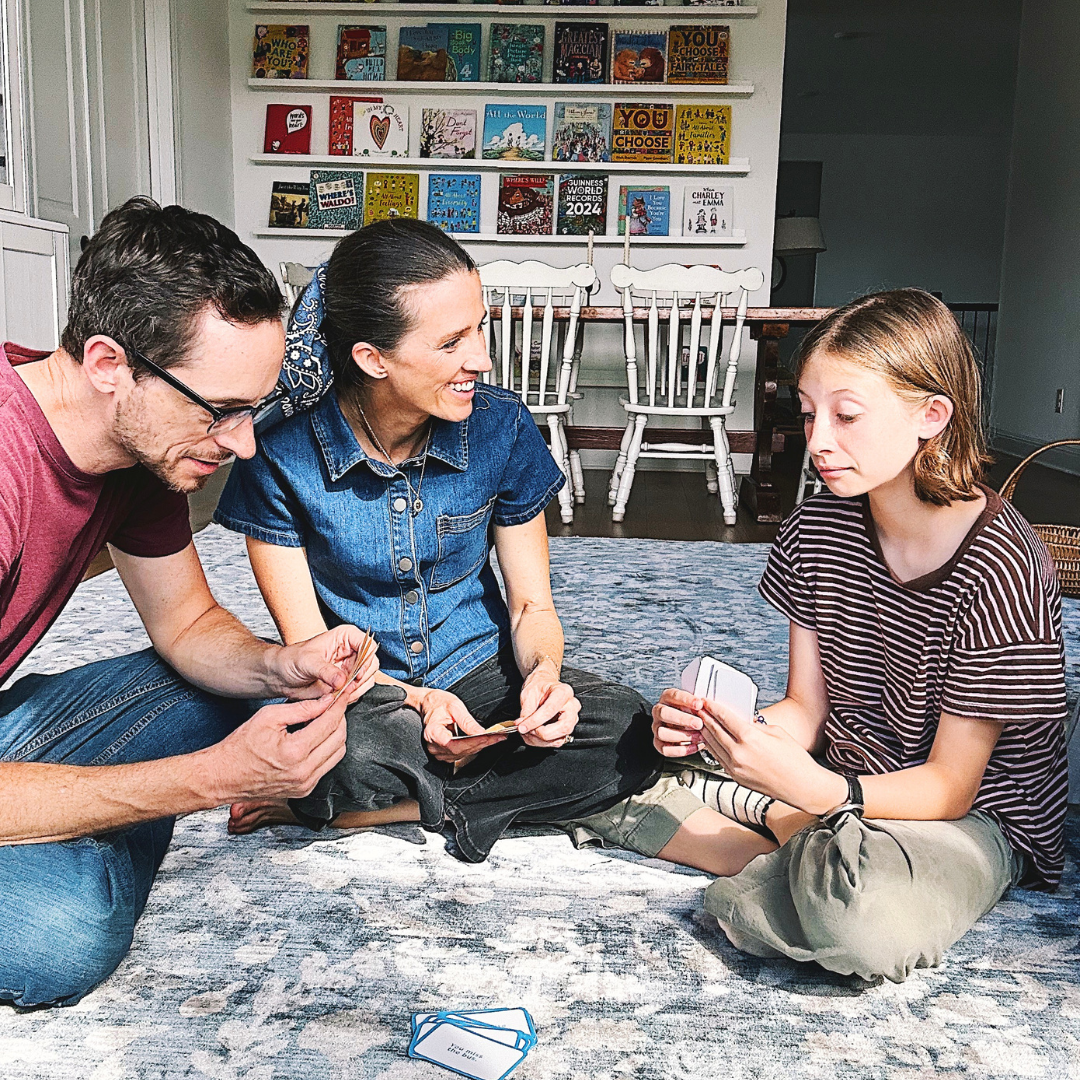
Positive thoughts do more than just uplift your spirit. They play a crucial role in shaping your brain chemistry! Thinking positively can influence the release of neurotransmitters like dopamine and serotonin, the chemicals associated with happiness and well-being.
Research shows that having a positive mindset can boost cognitive function. Individuals with positive attitudes are often better at solving problems, because they are optimistic that they can figure it out! They are more creative and flexible.
Think about it: have you ever had a child that is faced with a problem and becomes really pessimistic? Saying things like, “This will never work,” or “I’m not good at this.” Compare this to a child who is faced with a problem and says things like, “What if we tried this?” or “I’m sure we can figure this out?” Even just reading those sentences instantly lifts the mood for me. Negativity is the fastest way to dampen creativity!
Additionally, being positive also affects your physical health for the better. Studies have found a correlation between positivity and lower levels of stress-related hormones. This can lead to an improved immune system, which means you are more healthy overall.
Benefits of Being Positive in Everyday Life
Aside from the brain science, you will experience affects from being positive in your every day life. Positive attitudes lead to healthier relationships with friends, family, and co-workers. These types of supportive social environments encourage growth and happiness.
Positivity contributes to greater resilience when facing challenges. A positive outlook allows you to navigate life’s hurdles more effectively. It enables you to view setbacks as temporary and something you can overcome!
Incorporating positivity into daily life enhances your motivation and productivity. People who stay positive set and achieve goals more readily. They are likely to celebrate small victories along the way, which fuels further achievement.
How to Stay Positive: Practical Strategies
Staying positive requires intentional actions and consistent habits. Implementing specific strategies can help nurture a resilient, optimistic mindset. Here are some practical tips for cultivating positivity daily:
- Begin your day with positive affirmations (more on this below!). Affirmations set the tone for a positive outlook and reinforce self-belief. This simple practice can immensely boost your confidence and motivation throughout the day.
- Practice gratitude by noting things you appreciate. Take a minute each day to write down one thing you are grateful for. You may be surprised how it boosts your happiness and lowers your stress.
- Exercise regularly to boost endorphins and improve your mood. Physical activity not only benefits your body, but also your mind! Movement is a powerful tool in reducing anxiety and enhancing your positivity.
- Limit exposure to negative media. Consuming negative news or social media can dampen your spirits. Focus on content that inspires and educates instead!
- Surround yourself with positive influences. Spend time with people who uplift and inspire you. Be someone who fills other people’s cups! Engaging with positive peers can naturally improve your mood and mindset.
My “Negative Nancy” Friend
I’ll share a personal story to illustrate this point: I once had a friend I talked to all the time. She was a good person, but it seemed like every conversation centered on what was going wrong. There was always a complaint, a problem, or a reason to be frustrated.
At first, I didn’t think much of it. But over time, I noticed that I was becoming more negative too. I found myself complaining more to my husband and kids. I was carrying the weight of someone else’s negativity into my own home. After spending time with her, I often felt drained instead of encouraged.
One day after meeting her for lunch, I got into my car and just sat there for a minute. Instead of feeling refreshed from spending time with a friend, I felt exhausted. I was constantly trying to find the silver lining in her negativity, That was when I realized something important: the people we spend the most time with influence us more than we think. I started creating a little distance and intentionally spending more time with positive, uplifting people.
The difference was amazing. I felt lighter, happier, and more grateful. That experience taught me that positivity is contagious—and so is negativity. The people around us have a powerful impact on how we see the world.
The Role of Positive Self-Talk and Affirmations
When someone struggles to see the positive in a situation, or see the glass as “half full,” I wonder how they talk to themselves. If their self-talk is positive, they will have better self-esteem and feel more confident to overcome negativity. However, when their self-talk turns negative, they trap themselves in self-doubt, anxiety, and fear. By consciously choosing optimistic thoughts, you can change your self-perception.
Affirmations are a powerful tool to reinforce positive beliefs. The great this is, adults AND children can benefit from them! By repeating affirmations daily, you can feel confident and capable, even when things aren’t going your way. They help you visualize success and reinforce a “can-do” attitude.
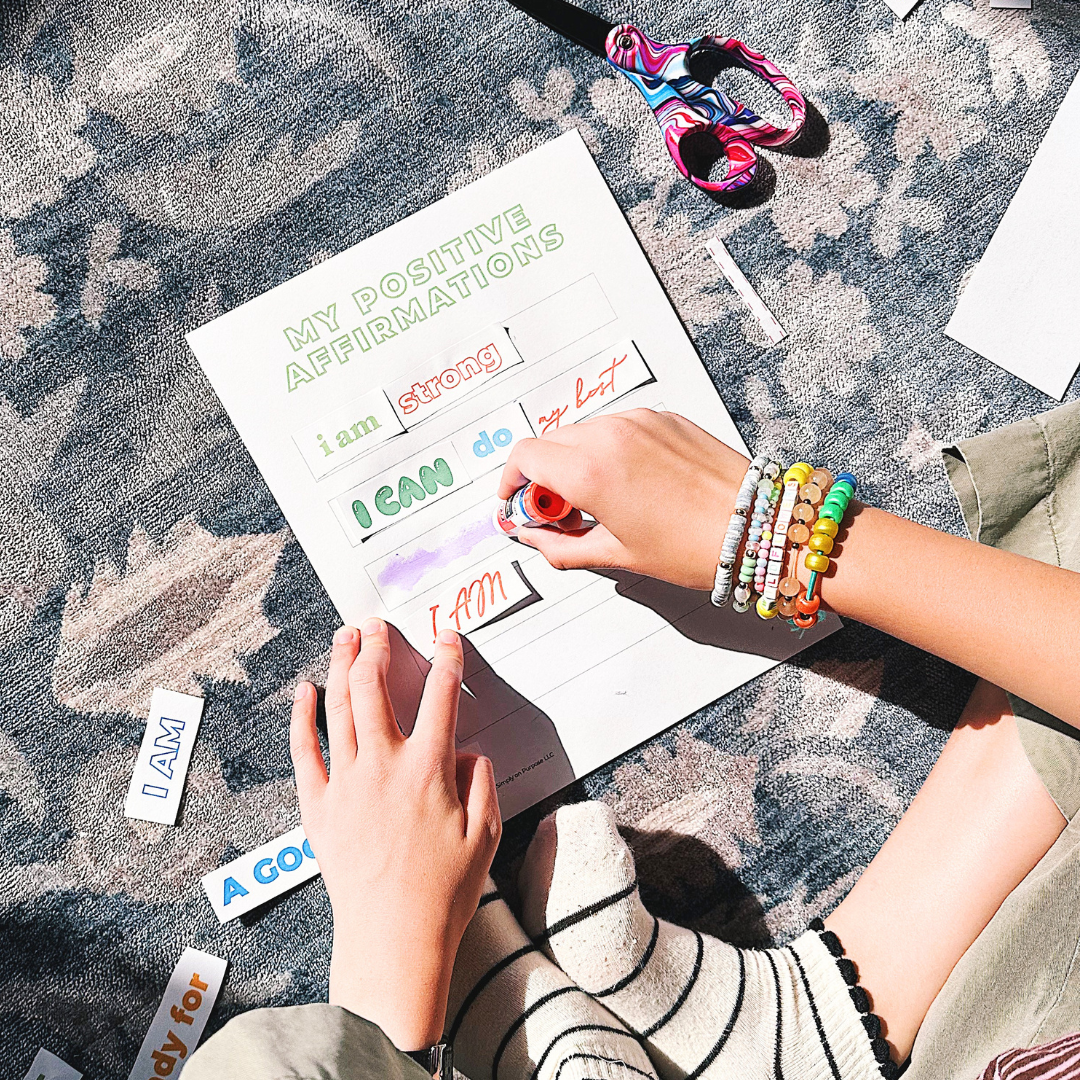
I included a helpful activity in my new Teach Me How lesson, titled, “Choose the Sunny Side: Learning How to Have a Positive Attitude.” We included a colorful word bank full of different phrases in different fonts. Your child can pick their favorites, cut them out, and glue them on paper. They can tape their homemade affirmations to a bathroom mirror or another spot they see often.
The power of words will change their mindset significantly! And using these affirmations over and over again creates a habit of positivity.
Creating a Positive Environment at Home
I will end with saying something I always say to parents: YOU have the power to change your home. A positive environment greatly impacts not only your mood and productivity, but also your child’s. A positive environment will support everyone’s mental health.
A few tips to create a positive environment at home:
- Look for the good. If you often point out what a child is already doing well, their confidence will grow. This helps give them strength to work on what they need to improve!
- Declutter your space. A tidy environment reduces stress and improves focus. Choose colors and décor that inspire and uplift your spirit.
- Strengthen communication with those around you. Encourage open dialogue and active listening to build trust and understanding. Promote positivity by celebrating each other’s achievements, no matter how small.
By nurturing positivity in your surroundings, you cultivate a haven for happiness and growth. This will help your whole family feel more connected and motivated in everyday life.
Embrace Positivity for a Fulfilling Life
Embracing positivity will create a more fulfilling and vibrant life. It goes beyond just “being happy.” It also improves your health and relationships. It also strengthens your bond with your children.
Begin this journey with small, intentional changes. Slow change is lasting change, my friends! As you grow, you’ll find that positivity not only transforms your life, but also it inspires those around you to be positive too.
If you want more tips for creating a positive environment in your home, check out these resources: